


Jeep vs Subaru in Boulder, CO — Your One-Vehicle Answer for Canyon Travel and Rough Trailhead Roads
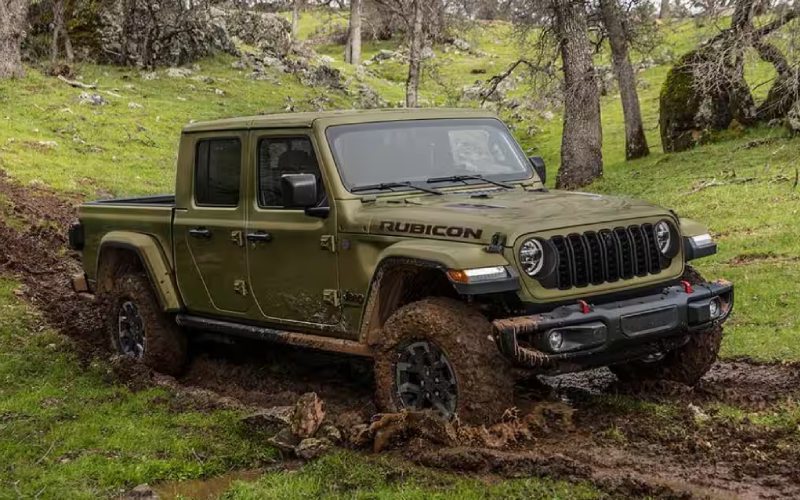
Fowler Jeep of Boulder – Jeep vs Subaru in Boulder, CO — Your One-Vehicle Answer for Canyon Travel and Rough Trailhead Roads
Living in Boulder often means asking one vehicle to excel at two very different jobs: handle the weekday commute on US-36 and Foothills Parkway, then climb rutted, washboarded Forest Service roads toward trailheads off Flagstaff, Magnolia, or the Peak to Peak on the weekend. At Fowler Jeep of Boulder, we meet shoppers who compare the Jeep® brand to Subaru for exactly this reason. Both lineups deliver confidence in snow and on gravel, but the demands of steep canyon grades, freeze-thaw ruts, spring runoff, and late-season storms reward some specific capabilities that set Jeep apart.
Our guide focuses on that single-vehicle, Boulder-ready mission: confident winter traction for Eldora days, serene daily driving across town to CU or Pearl Parkway, and the extra margin of control when a “good dirt road” turns rough beyond the final parking lot. We outline drivetrain philosophy, ground clearance and geometry, powertrains at altitude, family practicality, and accessories—so you can choose the platform that truly feels Better in Boulder.
Start with the fundamentals. Subaru emphasizes standard Symmetrical All-Wheel Drive paired with X-MODE on many trims. That recipe shines for rain, packed snow, and light off-pavement use. Jeep engineers 4×4 systems that go a step further, with available low-range gearing, mechanical locking differentials, and advanced traction management for vehicles that earn the Trail Rated badge. When Sunshine Canyon throws a surprise snow squall or a spring storm leaves axle-deep ruts near Gross Reservoir, that extra layer of mechanical control is where Jeep tends to separate from the pack.
Drivetrain philosophy impacts real Boulder roads. Subaru vehicles distribute power proactively and use brake-based systems to check wheelspin. The approach works well for the commute, plowed streets, and moderate trail approaches. Jeep models like Wrangler®, Gladiator®, Compass® Trailhawk, and Grand Cherokee with available Quadra-Drive II and Selec-Terrain offer low-range multiplication and available locking differentials that keep torque flowing even when two diagonally opposed wheels unload on a cross-ditch. Add available Selec-Speed Control for stable, foot-off crawling down steep, loose grades—useful for descending Fourmile Canyon after a summer storm.
Ground clearance and geometry matter in Boulder more than a spec sheet suggests. Plow berms on neighborhood streets, freeze-thaw heaves on Flagstaff Road, or a surprise water bar can high-center a crossover. Subaru Wilderness models boost clearance and angles compared to standard trims, which is an excellent development for local drivers. Jeep vehicles, particularly Wrangler® and Gladiator®, deliver classic off-road geometry with tall clearance, aggressive approach and departure angles, and the articulation to keep tires planted over embedded rocks or washboard. Grand Cherokee with available Quadra-Lift Air Suspension can raise ride height for the rough section, then lower for stable highway manners—ideal when the morning begins on CO-119 and ends up on a rocky spur above Nederland.
Altitude complicates powertrains. Turbocharged engines maintain power better above 5,000 feet than naturally aspirated ones. Subaru offers a capable 2.4L turbo in several vehicles, which helps on I-70 grades. Jeep provides multiple high-altitude-friendly options, including a responsive turbocharged four-cylinder, the proven Pentastar V6, and the Hurricane twin-turbo inline-six in the Wagoneer® family for sustained mountain cruising. Jeep also offers 4xe plug-in hybrids in Wrangler® and Grand Cherokee, delivering electric driving for short local errands in Boulder with full 4×4 hardware ready when the pavement ends—an efficient solution for a city where many weekday trips are under ten miles.
Winter confidence is a draw for both brands. Subaru EyeSight® Driver Assist Technology offers broad driver assistance coverage that commuters appreciate on US-36. Jeep models add a comparable suite of available features—such as Adaptive Cruise Control with Stop and Go, Blind-Spot Monitoring and Rear Cross Path Detection, and Automatic Emergency Braking—while leaning into traction tools for the ugly days: Snow modes in Selec-Terrain, optional all-terrain tires, and available limited-slip or locking differentials. On a typical plowed day, both lineups feel secure. When conditions degrade on a shaded switchback above the Flatirons, Jeep brings deeper capability and control.
Practicality also counts. Subaru vehicles have a well-earned reputation for useful cargo areas and sensible roof-carry solutions for bikes and skis. Jeep responds with versatile interiors across the Compass®, Cherokee, and Grand Cherokee families, plus the unique open-air possibilities of Wrangler® and Gladiator®—removable roof panels and doors bring summer sunshine to Chautauqua picnics and evening runs on the Boulder Creek Path. Mopar® accessories expand both gear-hauling and protection, from genuine racks and carriers to skid plates, rock rails, and floor liners that make mud season a non-event. For families, Grand Cherokee L adds adult-friendly third-row space, and Wagoneer® and Grand Wagoneer® cover full-size needs that Subaru does not address.
Towing and hauling present another decision point. Subaru ratings work for small utility trailers and lightweight campers. Jeep equips several vehicles for more ambitious towing, and Gladiator® brings everything only a pickup can—bed space for muddy bikes, a rooftop tent above the cab, and real payload for landscaping runs to ReSource Central or Home Depot on 55th Street. If “one vehicle does it all” includes truck jobs, Jeep is the only option in this comparison.
Comfort and daily composure complete the picture. Subaru cabins emphasize visibility, simplicity, and quiet. Jeep balances ruggedness with refinement—Grand Cherokee and Wagoneer® interiors feel at home on Pearl Street dinners, yet shrug off a dusty trail day. Available Quadra-Lift Air Suspension and adaptive damping deliver a calm, planted ride on washboard and a composed glide on the Diagonal Highway.
Here is a quick decision guide for Boulder drivers who split time between city streets, canyon climbs, and trailhead approaches.
- You prioritize the roughest approach roads: Jeep Trail Rated models offer low range, available locking differentials, and articulation that keep moving when ruts, rocks, or cross-ditches appear.
- Your week includes truck chores: Jeep Gladiator® adds a real pickup bed and stout payload for gear, gravel, or bikes—capability not found in Subaru’s lineup.
- You want electric miles without giving up 4×4 hardware: Wrangler® 4xe and Grand Cherokee 4xe pair trail-capable systems with plug-in hybrid efficiency for local Boulder errands.
- You drive steep, unpaved grades year-round: Features like Selec-Terrain, Selec-Speed Control, and Quadra-Drive II deliver confident ascents and controlled descents when conditions turn variable.
- You value open-air driving and modular fun: Removable roof panels and doors on Wrangler® and Gladiator® make summer in the foothills uniquely engaging.
Subaru remains a smart fit for many Front Range lifestyles, especially for drivers who stick to lighter-duty trails and primarily paved winter commutes.
- Your driving is mostly paved with occasional gravel: Subaru Symmetrical All-Wheel Drive and X-MODE provide confident traction for snow days and well-graded roads.
- You want an easygoing commuter first and foremost: Subaru tuning emphasizes ride comfort and visibility that shine in daily Boulder traffic and campus-area parking.
- You prefer a simple, car-like feel off pavement: Subaru Wilderness models add clearance and protection without shifting into a more specialized off-road platform.
When an in-market shopper asks which brand better covers Boulder’s entire spectrum—from an icy dawn run up Boulder Canyon to evening errands along Folsom—our team returns to margin. Subaru delivers confidence for the expected. Jeep adds mechanical margin for the unexpected, which is what canyon winters, spring runoff, and high-elevation trail approaches deliver. If your weekends regularly push past the last smooth mile, that cushion matters.
Our advisors at Fowler Jeep of Boulder can help map your routes to capability—flagging the specific 4×4 system, tire type, suspension setup, and accessories that suit your drives, whether that means a Compass® Trailhawk for Fourmile, a Grand Cherokee 4xe for plug-in commuting with mountain poise, or a Wrangler® that treats a washed-out spur above Nederland as part of the plan. Visit us at 5075 Pearl Pkwy to test-drive on the roads you actually use. We will configure roof solutions for skis and bikes, walk you through Mopar® protection for mud season, and show how driver-assistance features integrate with your daily commute. That is how we keep adventures—and everyday errands—Better in Boulder.
Frequently Asked Questions:
Do I need locking differentials for Boulder trailhead roads?
Many trailhead approaches are passable without lockers in dry weather. Locking differentials become valuable when ruts, cross-ditches, mud, or snow force a wheel to unload. Jeep availability of rear and front lockers on specific models offers an extra layer of control on unpredictable foothills roads.
How does Jeep Selec-Terrain compare to Subaru X-MODE?
Both systems tailor throttle, transmission mapping, and traction control for surfaces like Snow, Sand, or Mud. Jeep adds the option for low range and available locking differentials on selected models, which provides mechanical torque multiplication and traction that benefit steep, loose climbs common near Nederland and Rollinsville.
Is ground clearance really that important in Boulder?
Yes. Clearance helps clear plow berms, frozen ruts, and drainage bars without scraping. Geometry—approach, departure, and breakover angles—reduces bumper and underbody contact on steep driveways and uneven trail approaches. Wrangler®, Gladiator®, and air-suspension-equipped Grand Cherokee offer especially helpful geometry for local terrain.
Can a Jeep be as comfortable as a commuter car?
Absolutely. Grand Cherokee emphasizes highway composure, quiet cabins, and available features such as Adaptive Cruise Control and Active Lane Management. Even Wrangler® has evolved to reduce wind and road noise while preserving open-air capability for summer.
What about winter tires—do 4×4 or AWD systems replace them?
No system replaces the benefits of quality winter-rated tires. Traction starts with rubber. A Jeep 4×4 system maximizes the grip those tires create, which becomes especially important on shaded canyon corners and morning ice along Lee Hill Drive.
Can Fowler Jeep of Boulder outfit my vehicle for bikes, skis, and camping?
Yes. Our Mopar® Parts and Service teams set up racks, carriers, skid plates, floor liners, and protective gear. We also schedule Saturday Service and Express Lane visits to keep your Jeep adventure-ready with minimal downtime.
Whether the week takes you across town or into the foothills, our team will help you select a Jeep that makes every mile feel purposeful. Stop in, call our Sales team at 720-575-2936, or schedule a visit to experience how Jeep capability meets Boulder’s unique blend of city streets and canyon roads.
0 comment(s) so far on Jeep vs Subaru in Boulder, CO — Your One-Vehicle Answer for Canyon Travel and Rough Trailhead Roads